
Metric ↔ Imperial Conversion & Tolerance Stacking
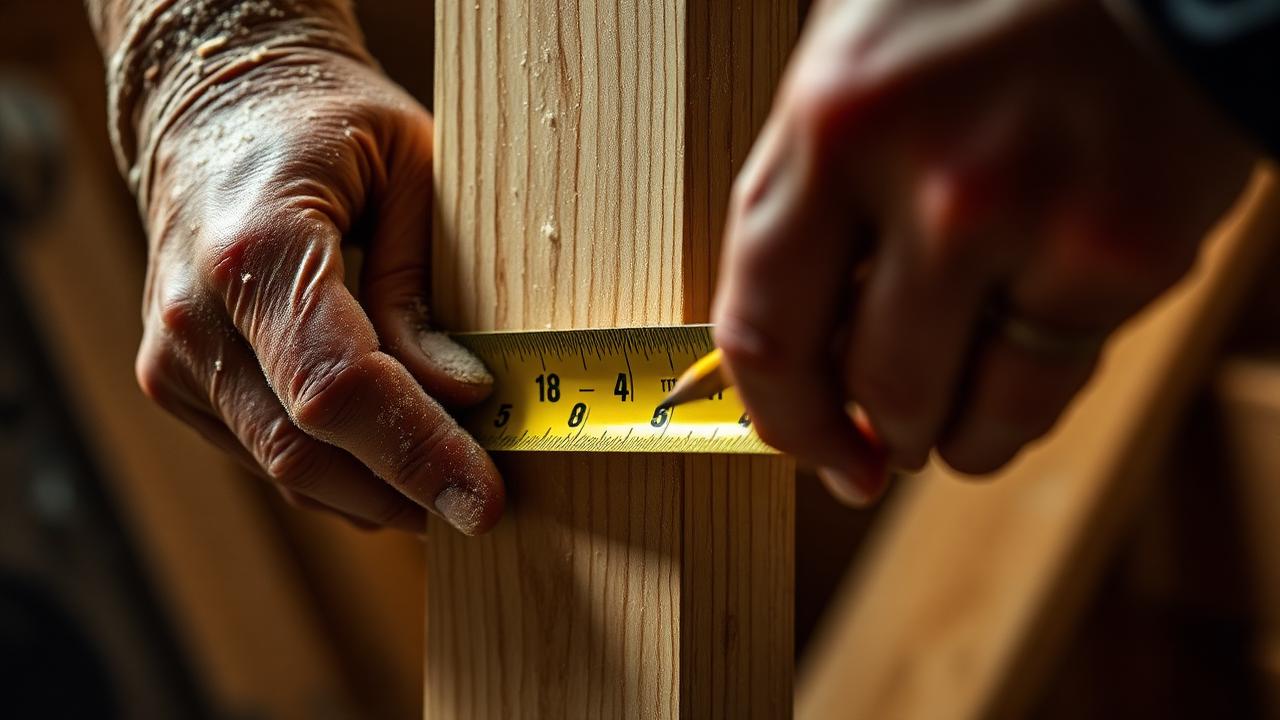
Lena receives a German engine bracket print in millimeters but her lathe's DRO is set to inches. She has 30 minutes before the shift starts.
- Print with mm dims
- Calculator
- Conversion factor 1 in = 25.4 mm
- Decimal-inch micrometer
- 1
Anchor the constant
1 inch ≡ 25.4 mm exactly. Memorize this — every conversion rides on it.
- 2
mm → inch
Divide by 25.4. Example: 63.5 mm ÷ 25.4 = 2.500".
- 3
Inch → mm
Multiply by 25.4. Example: 0.125" × 25.4 = 3.175 mm.
- 4
Round to tolerance
If print says ±0.05 mm, keep 2 decimals in mm OR 3 in inches. Never over-round.
Blueprint specifies a 38 mm hole through 3/4" plywood. Your drill index is fractional, your CNC is metric, and the engineer specifies ±0.5 mm tolerance. Convert, round to the nearest drill bit, and check whether the slop is within spec. Get this wrong and the dowel won't seat.
Tap Show next step to reveal the math one piece at a time.
Convert 38 mm to inches
Given: Blueprint hole spec = 38 mm
- 1
Divide by 25.4 (mm per inch)
38 ÷ 25.4 = 1.4961…
Convert 7′ 4 1/2″ to decimal feet
Given: Lumber call-out
- 1
Inches to decimal
4 + 0.5 = 4.5″